
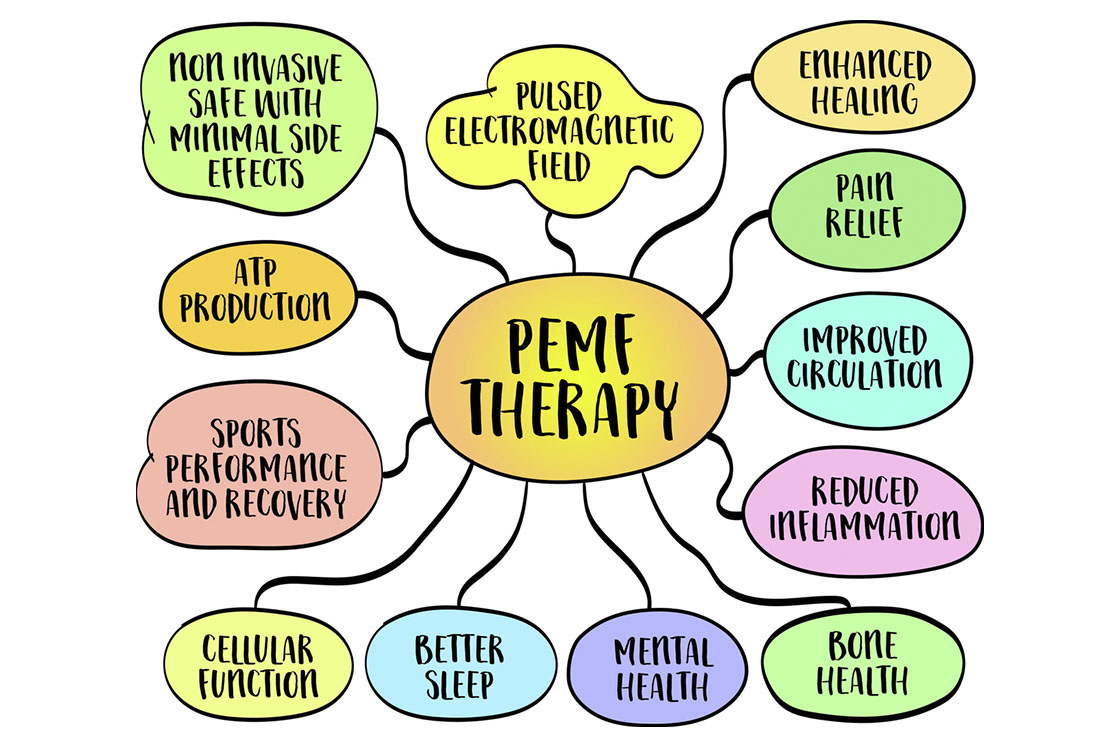
What is PEMF therapy?
PEMF is short for pulsed electromagnetic field. Pulsed electromagnetic field therapy is a non-invasive treatment that uses devices to send electromagnetic energy through body tissue. According to the Cleveland Clinic, the therapy sends safe doses of electromagnetic waves into the body, and it can be used as a whole-body treatment or with a smaller device that targets one specific area.
The University of Queensland’s RECOVER Injury Research Centre offers a more technical description. PEMF is an alternating or pulsed electromagnetic field that passes through tissue, such as muscle, between electrodes placed on or near the skin. The therapy stimulates cells and tissue in ways that may promote healing, which is why researchers have studied it across a wide range of health concerns.
How is PEMF therapy delivered?
PEMF devices come in different forms, and the best option depends on the area being treated. Most systems fit one of these descriptions:
| Delivery style | What it involves |
|---|---|
| Whole-body PEMF | Electromagnetic waves are sent through the whole body in one session. |
| Targeted PEMF | A smaller device applies the field to a specific area of the body. |
| Electrode-based PEMF | Electrodes are placed on or near the skin, and the pulsed field passes between them through the tissue underneath. |
| Contact-free PEMF | The device emits low-frequency electromagnetic fields without the need for skin contact. |
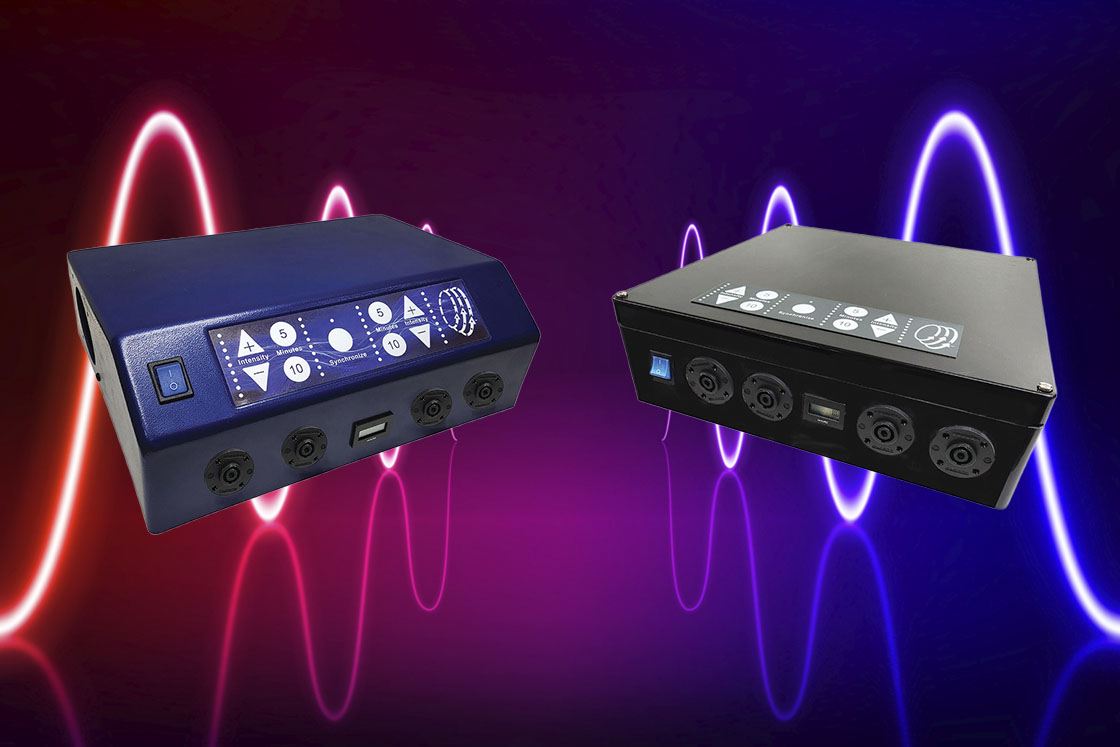
Whole-body systems suit people who want general coverage, while targeted devices can be directed at a particular region, such as an injured muscle. In either case, the underlying principle is the same: electromagnetic energy is applied to the tissue to encourage a healing response.
How does PEMF therapy work?
PEMF therapy involves the application of electromagnetic energy to tissues. The pulses are designed to influence how cells and tissue behave, and the published research describes PEMF as a method that can improve the growth and repair of tissues in both humans and animals.
One of the most studied effects is inflammation. A 2019 review by CL Ross, published in the open-access research literature of the National Institutes of Health, concluded that PEMF treatment could provide a non-pharmaceutical means of modulating inflammation in injured tissue, resulting in enhanced functional recovery. Reducing prolonged or excessive inflammation gives the body a better environment in which to repair itself, which helps explain why the therapy has been investigated for pain, soft tissue injuries and wound healing.
Medical sources point out that researchers are still clarifying exactly how these effects occur and how strong they are. The clinical picture that has emerged, however, is consistent enough that PEMF continues to attract serious scientific attention.
What does the scientific research say about PEMF therapy?
A growing number of studies support the use of pulsed electromagnetic fields. Published overviews of the topic note that several preclinical and clinical trials of PEMFs have shown positive effects. That evidence base covers both laboratory studies on tissue and trials in human patients.
The wound healing area is particularly interesting. An integrative review of PEMF and wound healing, published in the Australian journal Wound Practice and Research, found that PEMF may be especially useful for diabetes-related wounds. The therapy has the potential to increase tensile strength and re-epithelialisation, which refers to the process of new skin cells covering a wound. Stronger, better-closed wounds are less likely to reopen or become infected, so this is a meaningful finding for wound care.
The other major thread in the research concerns inflammation. Rather than simply dulling pain signals, PEMF may address the underlying inflammatory state of injured tissue. That positions it as a supportive therapy for recovery rather than a quick fix, and it explains why many studies describe the treatment as an adjunct to rehabilitation.
What might PEMF therapy be used for?
People seek out PEMF therapy for several reasons. The most common is pain relief. Cleveland Clinic describes PEMF as a treatment that may relieve pain and encourage healing, and low-frequency pulsed electromagnetic waves are used for this purpose in both clinical and home settings.
Other applications supported by the research pack include:
- modulating inflammation in injured tissue to support functional recovery
- improving the growth and repair of muscle and other tissues
- supporting wound healing, particularly for diabetes-related wounds
- providing a non-pharmaceutical treatment option for people who prefer to limit medication use
In Australia, the University of Queensland’s RECOVER Injury Research Centre includes pulsed electromagnetic fields in its consumer resources on whiplash treatment options. This shows that PEMF is generally considered within a broader recovery plan, alongside other therapies, rather than as a standalone miracle treatment.

Is PEMF therapy safe and who should be careful?
PEMF therapy is classified as non-invasive, and many of the devices used in clinics and at home emit low-frequency electromagnetic fields with no skin contact at all. That does not mean it is appropriate for absolutely everyone, which is why clinical guidance is important.
The Cleveland Clinic is explicit on this point: anyone considering PEMF should talk to a healthcare provider before starting the therapy or buying an at-home device. This advice exists because the science is still developing and because electromagnetic therapies can interact with certain medical conditions. A doctor or physiotherapist can assess your health history and help you decide whether PEMF is a sensible option.
Can you use PEMF therapy at home?
At-home PEMF devices are widely available, and the Cleveland Clinic’s description of the therapy explicitly mentions that a person can use a whole-body treatment or a smaller device that targets a more specific area. Home systems tend to be designed for repeated use, which suits people managing ongoing pain or supporting recovery over several weeks.
Before purchasing a device, it pays to research the supplier carefully and read the product information so you understand what the device is designed to do. Buying a device without first discussing it with a healthcare provider is not recommended by the medical sources cited here. A clinician can help you choose between a targeted device and a whole-body system, and can suggest how often treatment should be used.

What does PEMF therapy do?
PEMF therapy sends low-level pulsed electromagnetic waves into the body to relieve pain, manage other symptoms and support healing. Researchers have reported that it can improve tissue growth and repair in humans and animals, and that it may modulate inflammation in injured tissue to support functional recovery. In wound care, evidence points to particular potential for diabetes-related wounds, where the therapy may help healing skin become stronger and close more quickly.
Is PEMF therapy painful?
PEMF therapy is described as non-invasive, which means it does not require needles, surgery or medication. Some devices use electrodes placed on or near the skin, while others emit low-frequency electromagnetic fields without any skin contact. As with any treatment, individual responses can differ, so it is sensible to discuss PEMF with a healthcare provider before trying it, especially if you have an existing health condition or a recent injury.
Does PEMF therapy have scientific backing?
Several preclinical and clinical trials of pulsed electromagnetic fields have reported positive effects, according to published scientific reviews. Ross’s 2019 review concluded that PEMF could provide a new, non-pharmaceutical way to modulate inflammation in injured tissue. An integrative review of PEMF in wound care also found it may improve healing in diabetes-related wounds. Researchers continue to study the therapy, so the evidence base is growing rather than fully settled.
What should I check before buying a home PEMF device?
The most important step is to talk with a healthcare provider before starting PEMF therapy or purchasing an at-home device, as advised by the Cleveland Clinic. You should also research the supplier, read the product instructions carefully, and be clear about whether you want to treat a specific problem area or the whole body. That information will help you choose the right type of device and use it appropriately.