
These are fair questions for any health-related product. The most useful way to answer them is to look at how safety, side effects and approval are understood for established treatments, and then apply that same standard of thinking to PEMF therapy.No therapy can promise zero reaction for every user, so the real goal is to understand what reactions look like, how common they are, and what evidence you should request before you buy.

Can PEMF Therapy Cause Side Effects?
Australian health authorities are clear that any treatment can be followed by a reaction. With immunisation, for example, the guidance states that just like any medication, we may experience side effects after a vaccine. Most of these are mild, such as soreness, swelling or redness where the injection was given. Some vaccines are also linked to fever, rash and achiness, and short-lived symptoms such as headache, fatigue, muscle aches, chills and joint pain appear in side effect reports.
The reassuring pattern across that research is that common side effects are brief and usually settle on their own. Most side effects only last for a short time. Serious side effects are rare, and when serious allergic reactions do happen, they normally occur within the first few minutes after treatment. That is why Australians are asked to wait up to 15 minutes after a vaccination before leaving the clinic, as a simple safety measure.
Vaccination also offers a useful reminder about how to weigh risk and benefit. Immunisation has been successful in reducing mortality and morbidity, yet side effects still remain possible. The presence of a small risk does not make a therapy worthless; it makes honest information essential.
The same thinking applies to PEMF therapy. If a reaction occurs at all, it is more likely to be mild and temporary than alarming. Pay attention to how your body responds during and after each session, follow the instructions supplied with the device, and seek medical advice if you feel unwell. If a supplier claims that no reaction is possible, treat that claim with caution and ask for the evidence behind it.
Is PEMF Therapy Painless?
One of the most common questions about PEMF is whether sessions hurt. It is a reasonable question, because many familiar medical treatments come with discomfort. Vaccination is a good example, since most vaccines are still delivered by intramuscular or intravenous injection. That delivery route is precisely why researchers have worked on developing painless alternatives.
Research into painless vaccines found that they are safe and tend to produce very mild side effects compared with the painful versions. They can also be a little more expensive than standard options, which shows that price and comfort do not always move together. The important lesson is that a treatment does not need to hurt to be effective. Pain is not a measure of how well a therapy is working.
For PEMF therapy, your experience will depend on the particular machine, the settings you use and your own sensitivity. Ask the supplier what a normal session feels like and whether you can begin on a low setting. If anything becomes genuinely painful, stop the session and discuss it with the supplier or a health professional rather than pushing through.

Has PEMF Therapy Been Approved?
The approval question deserves the closest attention. In the USA, a product that makes health claims should be supported by evidence before it is sold for that purpose. The requirement that any health claims, whether developing a vaccine or a device like the PEMF machine, can take many years, with the product moving through research, discovery, pre-clinical testing, clinical testing and finally regulatory approval. Oversight does not stop after approval either; products are also monitored for safety once they are in use.
The same standard of evidence should be expected of a PEMF device. Ask the supplier to explain exactly what testing the machine has undergone and what approvals it holds in America. If the supplier relies only on customer stories and cannot point to clinical testing or regulatory approval, treat those claims with caution. Reliable suppliers should be able to talk about ongoing safety monitoring in the same way the health system monitors established treatments.
Different PEMF products are not equal. A device approved in another country does not automatically hold approval in the US, and home machines vary widely in design, strength and build quality. Before you buy, seek written information about the device’s testing and approval status.
Can Anyone Use a PEMF Machine at Home?
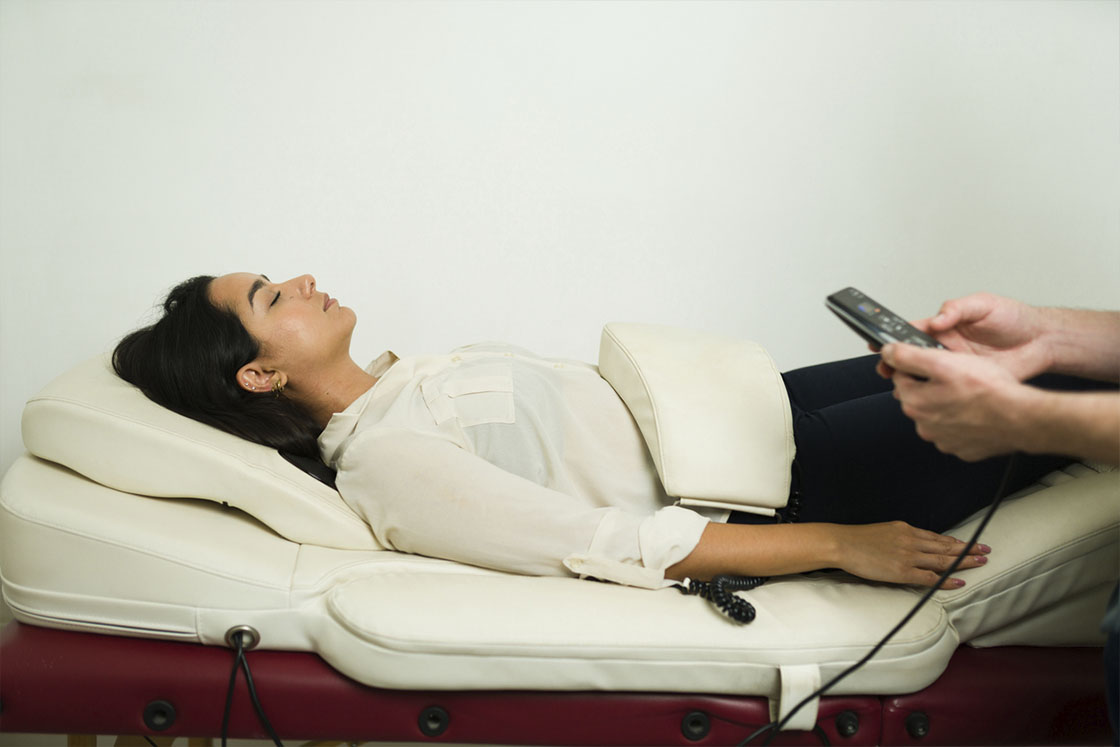
If you are purchasing a personal PEMF machine for home use, the machine is intended to be operated by you. You do not need to hold a qualification as a PEMF therapist, and you do not need to book a session with a practitioner every time you want to use the device. No formal qualifications are needed to operate a personal home unit and follow its program. That is the point of a home system: it puts the therapy in your hands.
However, no qualifications needed does not mean no thought needed. A home device should be chosen to suit your situation, and the manufacturer’s instructions should be followed carefully. If you have a medical condition or are unsure whether PEMF therapy suits you, speak with a qualified health professional before starting. Their advice can help you decide whether a home machine is appropriate for your circumstances and how to use it responsibly.
What to Ask Before You Buy a PEMF Machine
Before making a purchase, put these questions to the supplier and, where appropriate, to your own health professional:
- What clinical testing and regulatory approval does this device hold, and can you show me the documentation?
- What side effects have people reported in clinical research, and how common were they?
- What does a typical session feel like, and can I start on a gentle setting?
- Who should not use this device, and what warnings apply?
- What instructions and ongoing support come with the machine?
When you hear the answers, compare them with what is known about side effects in established treatments. The most common reactions in health research are mild and short-lived, such as localised soreness, redness or temporary fatigue. Severe reactions are rare, and when serious allergic responses occur they generally appear soon after treatment. A sensible supplier will tell you what to watch for and how to respond, rather than promising perfection.
Can PEMF therapy cause side effects?
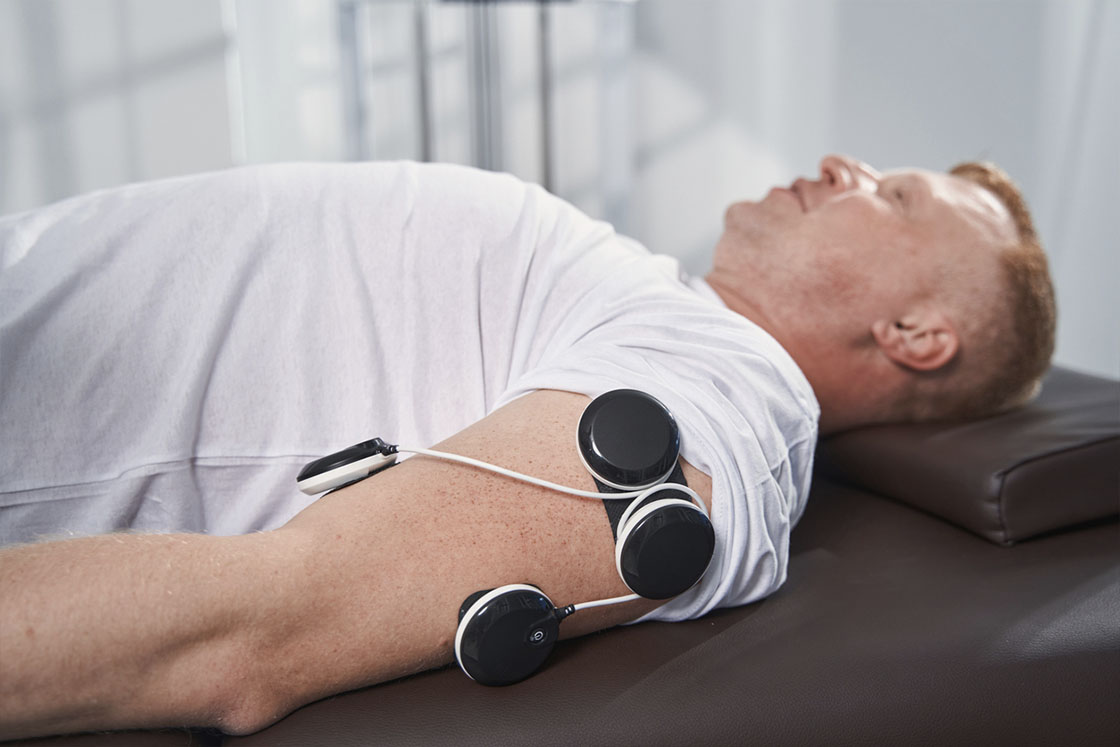
As with any treatment, side effects are possible. The general pattern across health research is reassuring: most side effects reported for established medical products are mild, including soreness, swelling, redness or temporary fatigue, and they usually settle quickly. Severe reactions are rare. If you feel unwell during or after a PEMF session, stop using the device and contact a health professional for advice.
Does PEMF therapy hurt?
A treatment does not need to hurt to be effective. Research into painless vaccine delivery found that painless options are safe and produce very mild side effects compared with painful injections. Your experience with a PEMF device will depend on the model and the settings you choose, so ask the supplier what to expect before your first session. If a session causes genuine pain, stop and seek guidance.
Do I need qualifications to operate a home PEMF machine?
No formal qualifications are needed to operate a personal PEMF device in your own home. These machines are designed for the user to run without a therapist present. The responsibility still sits with you to read the instructions, choose an appropriate device, and check with a qualified health professional if you have a medical condition or any doubt about whether PEMF is suitable for you.
How do I know if a PEMF machine is approved?
Products that make health claims generally need to pass through years of research, clinical testing and regulatory approval before they are sold. Ask your supplier to show you the clinical testing and approvals behind their device. If they cannot, check with the official Australian health regulator or speak to a qualified health professional before making a purchase.