
The best at-home PEMF devices are not necessarily the most expensive ones, and they are not the models with the most settings. They are the devices that fit your needs, your space and your routine. This buyer’s guide explains how to narrow the field and choose with confidence.
What PEMF therapy can do in a home setting
PEMF therapy uses low-frequency electromagnetic pulses delivered through body tissue. The technology has a long history in clinical environments, and it has gradually become available as a home wellness tool. A 2023 buyer’s guide from NeuPTTech explains that home PEMF devices still provide effective therapeutic benefits for common conditions such as chronic pain, sleep issues and minor injuries. Retailers of wellness devices also describe their PEMF equipment as helpful for relieving soreness, inflammation and discomfort.
That does not mean a home unit should replace professional medical care. It does mean that a well-chosen device can have a genuine place in an everyday recovery routine. The important thing is understanding what each type of device can and cannot do, which is exactly where this guide turns next.
The main types of at-home PEMF devices
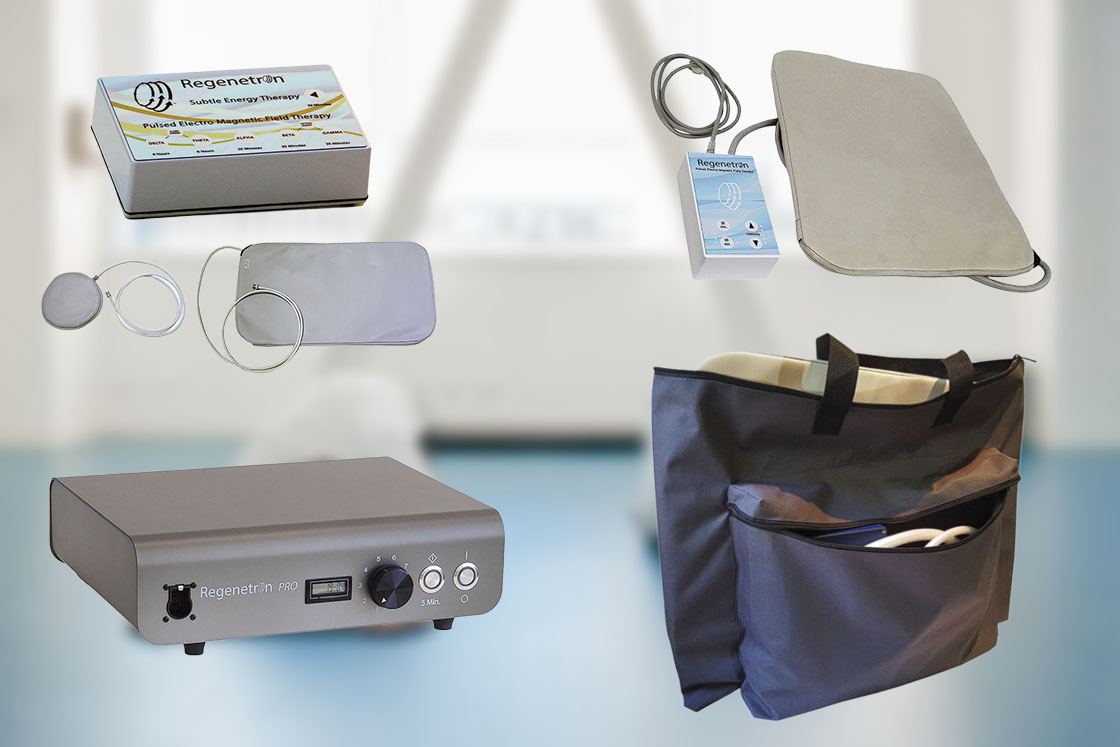
A quick browse through any collection of PEMF device reviews will show you three common formats. Each format addresses a different need, so the decision starts with deciding which one matches your situation.
Full-body PEMF mats
Full-body PEMF mats are one of the most common types of PEMF devices you will come across in any review roundup. They are large enough for you to lie down on, with the applicators built into the mat so the electromagnetic field can reach the length of your spine during a session. This format suits people who want a general wellness routine or who feel discomfort across several areas at once. In Healthline’s assessment of the best PEMF therapy devices, the OMI Full Body Mat was named the best full-body product.
Localised pads and spot applicators
Localised pads are smaller and designed to sit over one specific part of the body, such as a knee, a shoulder or a section of the lower back. They are useful when you know exactly where the problem is and you want the treatment concentrated there, without the fuss of setting up a larger mat. Healthline chose the OMI Pulsepad as the best device for spot treatments and named the DC Cure PEMF Therapeutic Device as the best option for low back pain.
Wearables, rings and portable systems
At the compact end of the market, you will find wearables such as the OMI PEMF Ring. These smaller devices suit the hands, wrists and similar spots, and they are often the most affordable way to test whether PEMF therapy fits into your life. Product listings show the ring at roughly $299, while a complete PEMF home system sits closer to $3,490. A ring is not a replacement for a full-body mat, but it is a practical starting point.xxxxx
Specifications worth comparing
Two devices can look almost identical in a photograph and behave completely differently in practice. The specifications below matter more than anything else printed on the box.
Frequency range
Frequency is measured in hertz (Hz) and refers to the number of pulses delivered each second. The New Gen range from Australian supplier BEST CELLF, for example, operates across 1 to 100 Hz, which gives the user room to adjust sessions. Confirm that any device you buy allows you to change the frequency, because a fixed setting offers far less flexibility.
Waveform quality
The shape of the pulse, known as the waveform, affects the character of each session. BEST CELLF describes its New Gen systems as using advanced square wave technology with a high slew rate, which is another way of saying the pulse reaches its peak very quickly. When comparing products, look for clear information about the waveform rather than accepting vague claims about raw power.
Portability and build quality
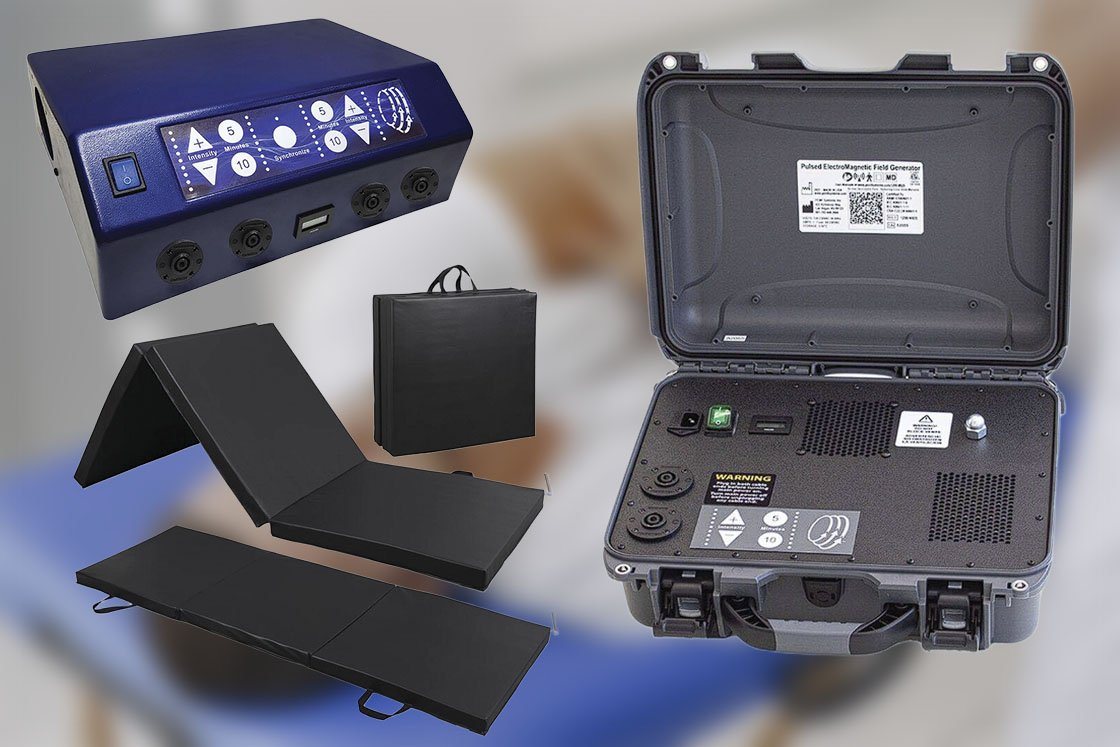
Home PEMF equipment is no longer tied to a clinic bed. Modern systems are often described as lightweight and portable, which makes it easy to use a mat in the lounge room, move it to the bedroom, or take it away on a trip. If portability matters to you, check the weight and the power source before you order.
Coverage area and device size
Coverage area is the specification most closely tied to your results. A full-body mat can treat the length of your back in a single session, while a ring will only ever treat a small area such as a finger or wrist. Choose the coverage to match the problem. If a specific joint is the concern, a large mat is overkill. If you wake with general stiffness, a tiny applicator will only frustrate you.
Recognised at-home PEMF devices at a glance
Healthline evaluated a group of PEMF therapy devices and named a separate winner for each main use case. These three names come up regularly in any search for the best at-home PEMF devices.
| Device | Best for | Key detail |
|---|---|---|
| OMI Full Body Mat | Full-body sessions | Named the best full-body product in Healthline’s review |
| OMI Pulsepad | Spot treatments | Selected as the best option for treating a targeted area |
| DC Cure PEMF Therapeutic Device | Low back pain | Chosen as the best device for low back pain |
The pattern is clear: there is no single best at-home device, only the best device for a particular goal. A product chosen because it matches your main complaint will almost always outperform one chosen because it looked impressive in a review.
Budget and the real cost of home PEMF
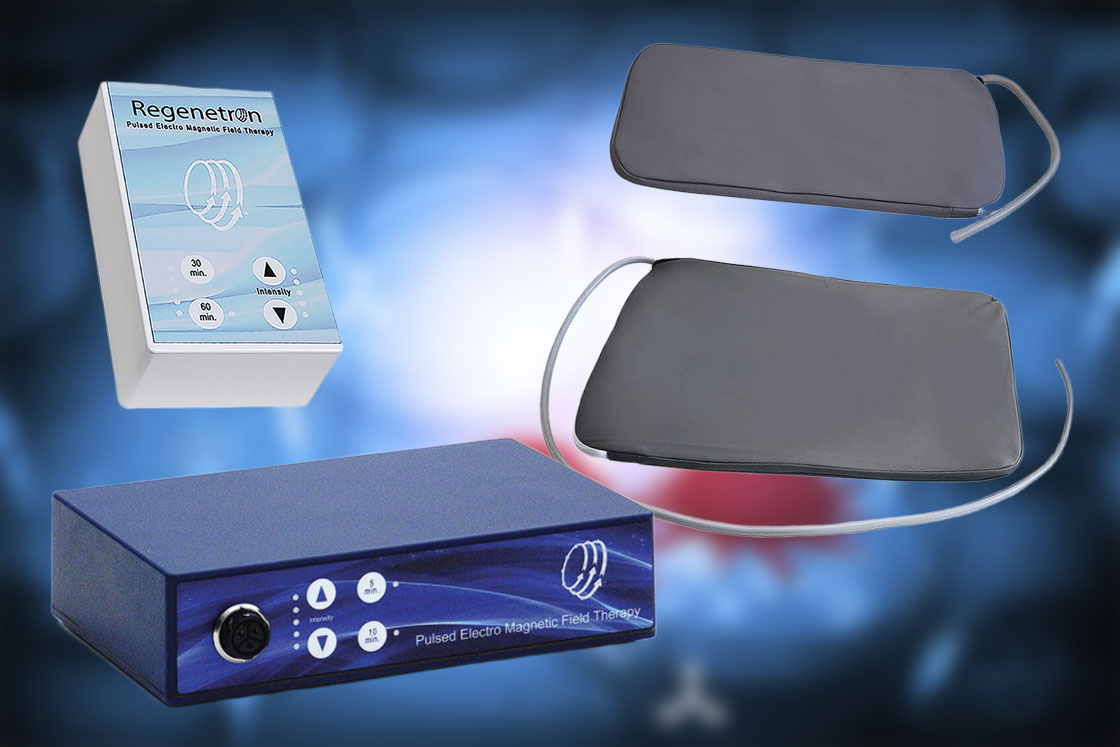
Price ranges in this category are wide enough to confuse almost anyone. Buyers guides have compared a $1,000 PEMF mat with a $30,000 PEMF machine to show just how different the options are. The lower-priced home equipment still has a genuine role. The same NeuPTTech guide that explains the benefits of home devices confirms that units in this range can provide effective support for chronic pain, sleep issues and minor injuries.
Set your budget according to the area you need to treat and how often you plan to use the device. A person treating one shoulder does not need to spend the same amount as someone planning daily full-body sessions. If an affordable, reliable unit does the job, the money you save is better spent elsewhere.
Buying from a reputable supplier
There are practical reasons to consider buying from local sellers. Some brands make local delivery straightforward. Local suppliers are also easier to reach with questions about setup, daily use and servicing. If a product page does not state where the device ships from or what kind of support is included, send the supplier a message before you pay.
Bringing it all together for your final choice
By this point the decision should feel more manageable. Work through the checklist below and you will end up with a shortlist rather than a headache.
- Start with the area you need to treat. Full-body complaints call for a full-body mat, localised problems suit a pad, and small joints can be managed with a ring or wearable.
- Match the device to your budget. Useful home units can be found around the $1,000 mark, well below the cost of clinical systems that run to tens of thousands.
- Look for an adjustable frequency range. A system that runs from 1 to 100 Hz gives you more room to find a setting that works.
- Weigh up portability if you plan to move the device between rooms or take it away on holiday.
- Check local availability and delivery.
There is no perfect device for everyone. The best at-home PEMF devices, in the truest sense, are the ones you will use consistently. Once you match the format to your condition, the budget to your expectations and the specifications to your daily routine, you can buy with confidence and build a therapy habit that lasts.
Can I do PEMF therapy at home?
Yes. Home PEMF devices are designed for personal use without a clinician present, and according to a 2023 buying guide they still provide effective therapeutic benefits for common conditions such as chronic pain, sleep issues and minor injuries. The key is choosing a device that matches the area you want to treat and following the manufacturer’s instructions for session length and placement.
What level of PEMF is best for home use?
There is no single best level, because intensity and frequency should match the condition you are addressing and the size of the area being treated. Many home systems use a square wave output with an adjustable frequency range of 1 to 100 Hz. If you are dealing with a specific health condition, check with the device manufacturer or a qualified health practitioner rather than simply choosing the highest setting.
Which at-home PEMF device is the best one for me?
The best at-home PEMF devices are matched to your circumstances. For full-body sessions, the OMI Full Body Mat is a recognised choice. The OMI Pulsepad is a strong option when you need targeted spot treatment, and the DC Cure PEMF Therapeutic Device is frequently named for low back pain. Think about where you feel discomfort and how much time you can commit to regular sessions.
Is a $1,000 home mat as good as a $30,000 machine?
Buyers guides have directly compared a $1,000 PEMF mat with a $30,000 PEMF machine, and the comparison shows that home units are far more affordable than clinical equipment. Lower-cost home devices still deliver therapeutic benefits for chronic pain, sleep issues and minor injuries, according to the NeuPTTech guide. A professional machine may offer little extra for someone treating a small area at home.